Team Coaching and the SDI Report
Imagine you open your e-mail the day after a leadership team meeting. In your inbox is a message from another team member expressing frustration about a comment you made regarding the direction of a project. You quickly begin running through a series of questions motivated by anger or anxiety.
What did I say that was misunderstood?
How did they take it that way?
Don’t they know my intentions?
Why didn’t they feel comfortable speaking up in the meeting?
Am I not approachable enough to speak to on the phone or in person?
We’ve all been there. Right now you’re probably reflecting on a situation you experienced – perhaps as the recipient of this email, or maybe the sender.
These moments can shake our leadership and personal relationships.
Now imagine having a dashboard that shows how everyone on the team approaches work – what motivates them, how they typically engage in conflict, as well as their strengths and overdone strengths.
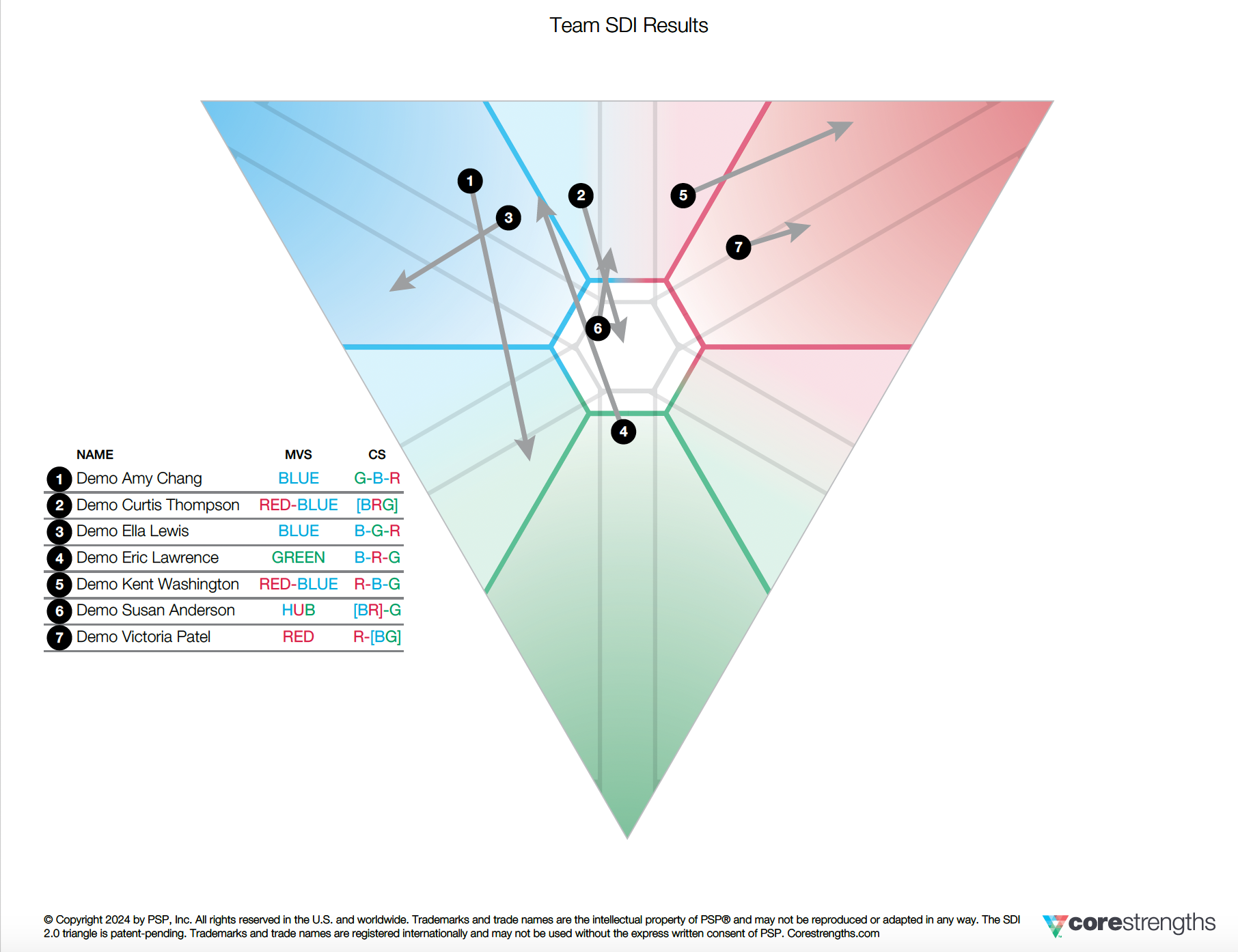
How does having this information about yourself and your peers prevent this situation from happening or change how you respond?
Through team coaching, we optimize team performance, strengthen relationships, and create a shared vision.
To do this, the team members must first increase individual and collective self-awareness.
Teams that pause and spend time with an external coach can increase performance in crucial areas.
Below are some examples of common outcomes from team coaching.
Increased psychological safety: Learning occurs, and the best ideas win when all parties feel safe to lean into conflict in team meetings, offer divergent perspectives, or admit mistakes and shortcomings. The research is clear – when teams don’t have high psychological safety, they are more likely to repeat mistakes, conceal information from one another, and reject innovation in favor of maintaining the status quo.
Role and purpose clarity: Few teams are able to clearly and consistently answer basic questions like, “Why does this team exist?”, “How do we contribute to the goals of the organization?”, and “What role does each member play in contributing to our success?”
Fulfillment through meaning and impact: Self-determination theory suggests that we are all motivated by three core variables – autonomy, competence, and connectedness. When high performers don’t feel they have the opportunity to contribute at the highest level, or their efforts are unnoticed, burnout and negative attrition are bound to follow.
Relationship management: The highest-performing teams don’t shy away from conflict. They leverage conflict competence to catalyze disagreement for innovation, creativity, and strengthening trust.
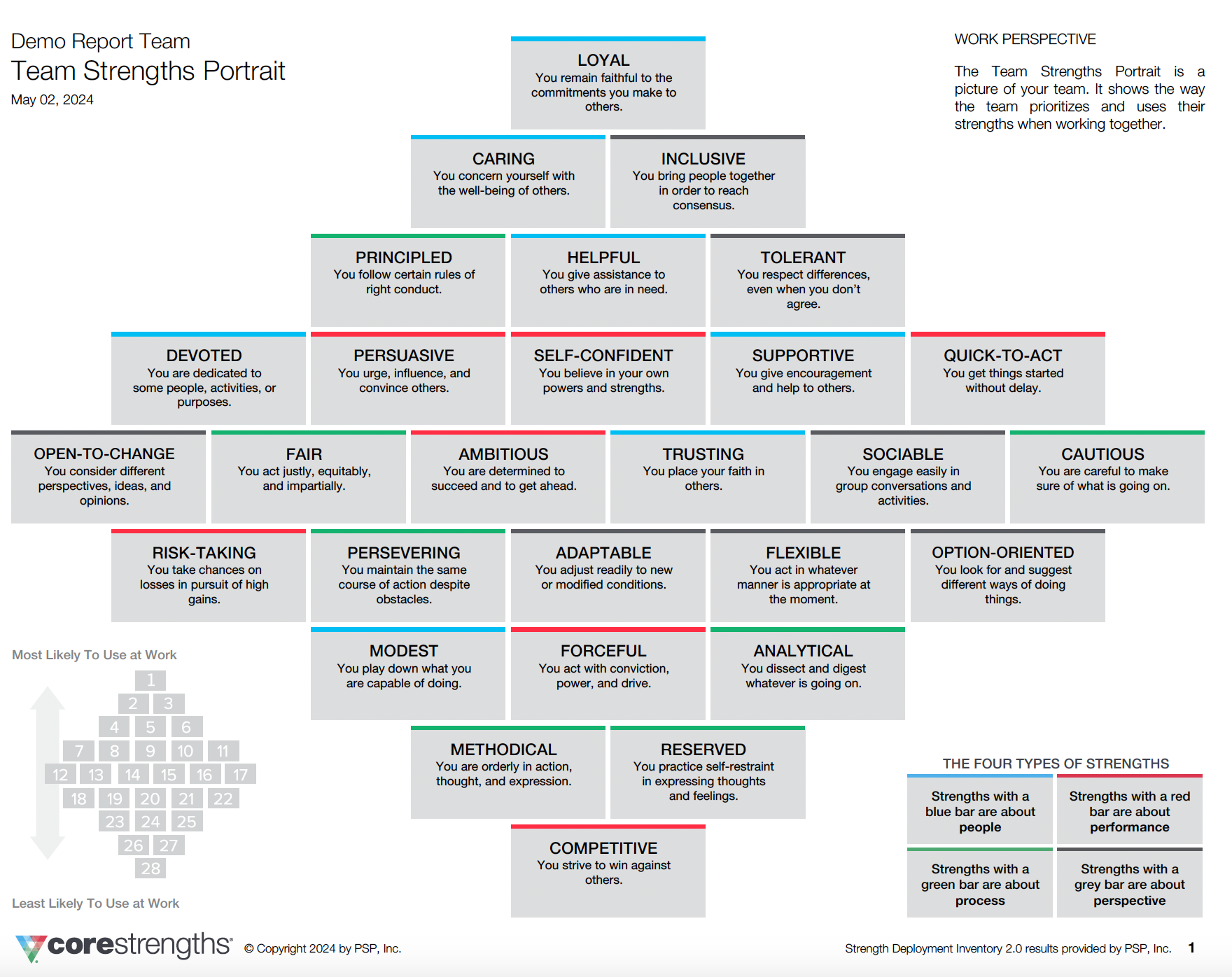
Our Process for Team Coaching
Teams that increase in self, other, and collective awareness improve performance. That’s why we utilize Core Strength’s SDI 2.0 team report to provide a dashboard for the team to enhance understanding of each member’s motivational value system (MVS), their tendencies under conflict, and their individual and collective strengths portrait.
After leveraging the SDI 2.0 for greater awareness, we enter a design phase with the team – helping them understand, clarify, and create agreement around the team’s purpose, the role of each individual, the team’s contributions to the organization, as well as their norms around communication, conflict, and ways of working.
Over 6 sessions, the team creates clarity around these areas, manifesting in a success roadmap, unity, and accountability to the team, organization, and one another.
If you believe your team would benefit from team coaching with Grovity Leadership, schedule a free consultation using the button below.
Teams are the primary drivers of organizational effectiveness. Their health and performance are vital to helping the organization achieve its goals, retaining key players, and designing structures for sustained success.